

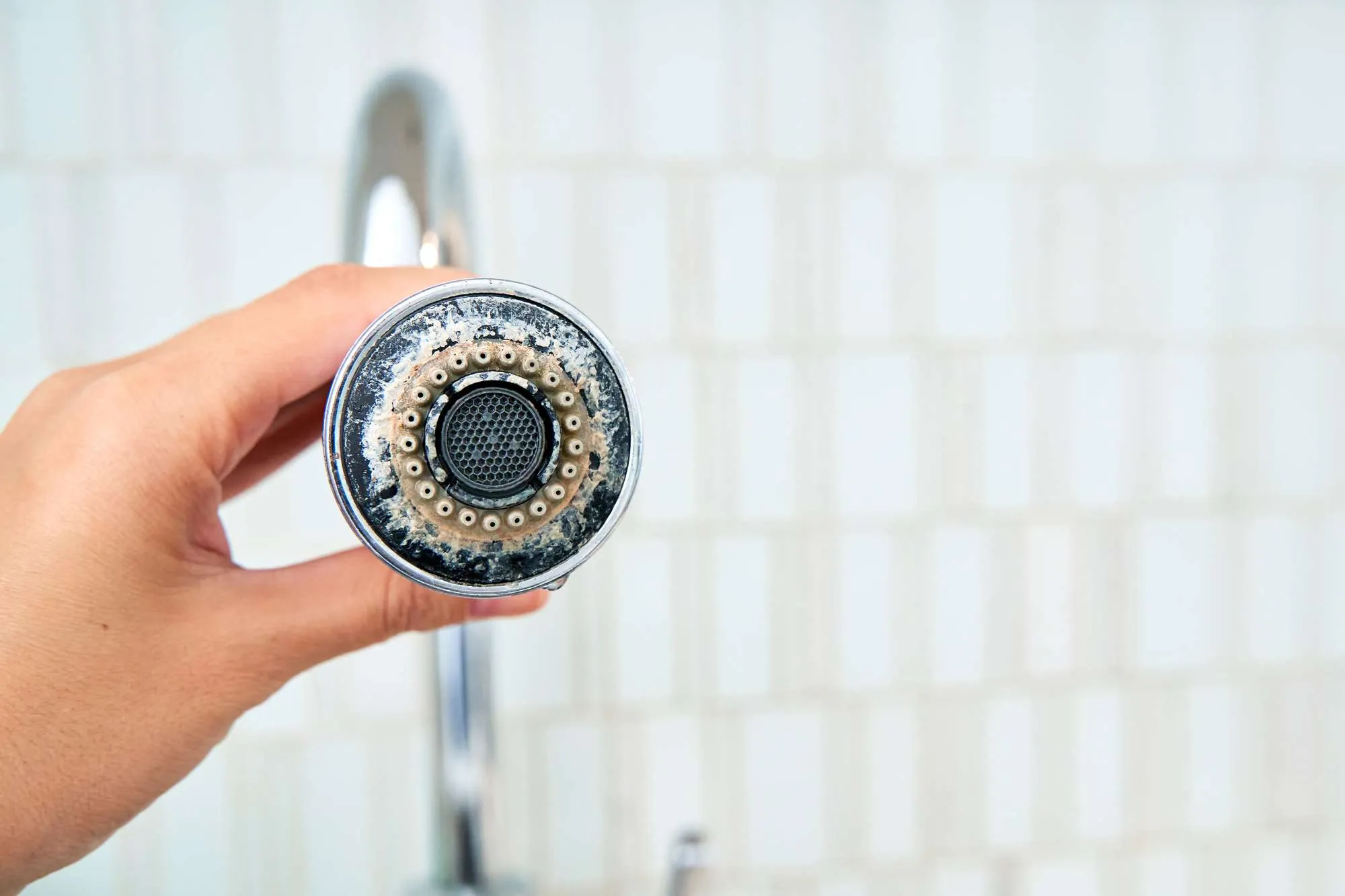
Saskatchewan water hardness is largely caused by dissolved calcium and magnesium that enter groundwater as it moves through mineral-rich geological formations. Hardness levels vary by community and water source, but homeowners may notice scale buildup, water spots, reduced soap performance, and deposits in water-using appliances. Testing your water is the best way to determine its hardness level and whether a water softener is appropriate for your home.
Saskatchewan water hardness can make everyday household tasks more frustrating. White scale around faucets, spots on glassware, stubborn soap scum, and mineral deposits inside water-using appliances are all common signs that your home’s water contains elevated levels of hardness minerals.
Hard water is primarily caused by dissolved calcium and magnesium. As groundwater moves through soil and rock, it can pick up these naturally occurring minerals before reaching private wells and municipal water supplies. The exact hardness level varies depending on the source and local geology, which means water conditions can differ considerably between Saskatchewan communities and even neighboring rural properties.
Understanding your water hardness helps you make informed decisions about treatment. Rather than assuming every Saskatchewan home needs the same equipment, testing can identify your actual hardness level and help determine whether water softening or another customized solution makes sense.
What Is Hard Water?
Hard water is water containing elevated concentrations of dissolved calcium and magnesium. These minerals occur naturally and enter groundwater as water moves through mineral-containing soil and rock.
Water hardness is commonly reported as milligrams per litre (mg/L) or parts per million (ppm) expressed as calcium carbonate. You may also see hardness expressed in grains per gallon (gpg), particularly when sizing or configuring residential water softening equipment.
The higher the concentration of hardness minerals, the more noticeable their effects can become around the home. Hard water may change how soap behaves, create deposits on surfaces, and allow scale to accumulate inside equipment that heats or uses water.
Hardness itself is different from contaminants such as bacteria or other substances that may create health concerns. However, understanding hardness is still important because of its effects on plumbing, appliances, cleaning, and overall household water performance.
Why Is Saskatchewan Water So Hard?
Saskatchewan water is often hard because groundwater can dissolve calcium and magnesium from mineral-rich geological formations.
However, there is no single hardness level that applies to the entire province. Water conditions vary considerably depending on geography, groundwater source, treatment practices, and whether a property receives municipal water or relies on a private well.
This variation is especially important for rural Saskatchewan homes and acreages. Two wells located relatively close together can produce water with different hardness levels and may also have different concentrations of iron, manganese, total dissolved solids, or other minerals.
Homeowners who want to understand why their water behaves differently can learn more about hard water and its household costs, including the ways mineral deposits can affect everyday water use.
What Are the Signs of Hard Water?
Hard water often reveals itself through mineral deposits, poor soap performance, and recurring cleaning problems.
Some of the most common signs include:
- White scale around faucets and showerheads
- Spots or cloudy residue on glassware
- Mineral deposits on sinks and fixtures
- Soap that doesn’t lather easily
- Recurring soap scum in showers and tubs
- Stiff or dull-feeling laundry
- Scale buildup inside water-using appliances
- Frequent cleaning of fixtures and surfaces
Homeowners moving to Saskatchewan from an area with softer water may notice these differences quickly. They may find themselves using more soap or detergent than expected or cleaning mineral residue from faucets and shower doors more frequently.
How Does Hard Water Affect Plumbing and Appliances?
Hard water can create scale deposits that gradually reduce the efficiency and performance of plumbing fixtures and water-using appliances.
The effects can become particularly noticeable wherever water is heated. As hard water moves through a water heater, dissolved minerals can form deposits on heating surfaces and other internal components. Over time, this buildup may interfere with efficient operation and increase maintenance requirements.
Dishwashers, washing machines, coffee makers, humidifiers, showerheads, and faucets can also develop mineral deposits. Scale around fixture openings may restrict flow, while deposits on visible surfaces create recurring cleaning work.
Hardness can affect cleaning efficiency as well. Calcium and magnesium interfere with the performance of soaps and detergents, which can lead homeowners to use larger quantities to achieve the desired results.
These seemingly small problems can add up over time. Understanding the water treatment options available for Saskatchewan homes can help homeowners address the source of the problem instead of continually cleaning up its symptoms.
Does a Water Softener Fix Hard Water?
Yes. A properly selected ion-exchange water softener reduces the calcium and magnesium responsible for water hardness.
Traditional water softeners work through a process called ion exchange. Water passes through a tank containing resin beads that attract hardness minerals. Calcium and magnesium are exchanged for sodium or potassium ions, depending on how the system is configured.
The resin eventually reaches its capacity and must be regenerated. During regeneration, a concentrated brine solution refreshes the resin so it can continue removing hardness minerals from incoming water.
When properly sized and maintained, a water softener can help reduce:
- Scale accumulation on fixtures
- Mineral deposits in water heaters
- Water spots on dishes and glassware
- Soap scum in tubs and showers
- Excessive soap and detergent use
Softening can also make routine cleaning easier because homeowners spend less time removing stubborn mineral residue from water-contact surfaces.
Water Softener vs. Reverse Osmosis: What’s the Difference?
A water softener treats hardness, while reverse osmosis is designed to reduce many dissolved substances from drinking water.
This distinction matters because homeowners sometimes assume reverse osmosis and softening are interchangeable. They are not. If your primary problem is calcium and magnesium scale throughout the house, a properly selected water softener is generally the more appropriate treatment technology.
Reverse osmosis is commonly used at a dedicated drinking-water faucet to provide additional purification. In homes with very hard water, softening the water before it reaches an RO system may also help reduce scale on the membrane.
Some households therefore benefit from using both technologies for different purposes. Our guide to reverse osmosis and water softeners explains how the systems differ and why they may complement one another.
Why Does Water Hardness Testing Matter?
Water hardness testing tells you how much calcium and magnesium your water contains, allowing treatment equipment to be selected based on measurable conditions instead of guesswork.
This is particularly valuable in Saskatchewan because hardness can vary significantly from one water source to another. Rural wells may also have additional concerns such as iron, manganese, salinity, or elevated total dissolved solids that should be considered before treatment equipment is installed.
Testing helps answer important questions:
- How hard is the water?
- Is a water softener actually needed?
- What capacity should the system have?
- Are other water quality concerns present?
- Does the home require more than one treatment technology?
For homeowners who are unsure what their water contains, professional water testing provides a practical starting point for developing a treatment plan based on actual conditions.
Local Authority: Understanding Water Hardness Across Saskatchewan
Water conditions throughout Saskatchewan are shaped by local geology and water sources. Homes connected to municipal supplies may experience different hardness levels than rural acreages, farms, and properties relying on private wells. Even neighboring wells can produce noticeably different water.
Infinite Water helps Saskatchewan homeowners understand these differences through water testing and customized treatment recommendations. Rather than assuming every property needs the same equipment, the goal is to identify the home’s actual water conditions and match treatment technology to those results.
This approach is especially valuable when hardness occurs alongside other regional water concerns. Treating the complete water profile can provide more reliable results than addressing one visible symptom without understanding the underlying chemistry.
Homeowners can also consult Government of Saskatchewan water quality resources for additional provincial information about drinking water and water supplies.
Why is Saskatchewan water hard?
How can I tell if my home has hard water?
Does hard water damage appliances?
What is the best way to treat hard water?
Do I need both a water softener and reverse osmosis system?
Take Control of Hard Water in Your Saskatchewan Home
Saskatchewan water hardness can affect everything from the appearance of your fixtures to the performance of your water heater, dishwasher, and cleaning products. Fortunately, hard water is a manageable problem once you understand what’s actually in your water.
The first step is testing. Knowing your home’s hardness level makes it possible to determine whether a water softener is necessary, select equipment with the appropriate capacity, and identify other water quality concerns that may require treatment.
With a system matched to your home’s actual water conditions, you can reduce scale, simplify cleaning, protect water-using equipment, and enjoy better-performing water throughout your home.


