When Your Water Softener Isn’t Doing Its Job
You load the dishwasher expecting sparkling glasses, but you get cloudy spots and streaks instead. Soap won’t lather like it used to, and your skin feels dry after a shower. These are classic signs that a water softener is not working as it should. When a softener slips, hard minerals like calcium and magnesium start showing up again—and you feel it in everyday chores.
Soft water helps protect plumbing, appliances, and laundry. Hard water isn’t unsafe, but it can be expensive and annoying. Scale buildup can clog fixtures, reduce water heater efficiency, and leave residue on shower doors. If you want a deeper look at the impact, this guide on why hard water costs you money breaks it down.
Softener issues often start small—soap scum returns, towels feel stiff, and dishes stop rinsing clean. Catching problems early can save you bigger headaches later. Below are five signs your system may need attention, along with simple checks you can do and when to call a pro. Since every home’s water is different, understanding what’s happening in yours is the first step toward the right water treatment solutions.
Sign 1 – Hard Water Symptoms Are Back
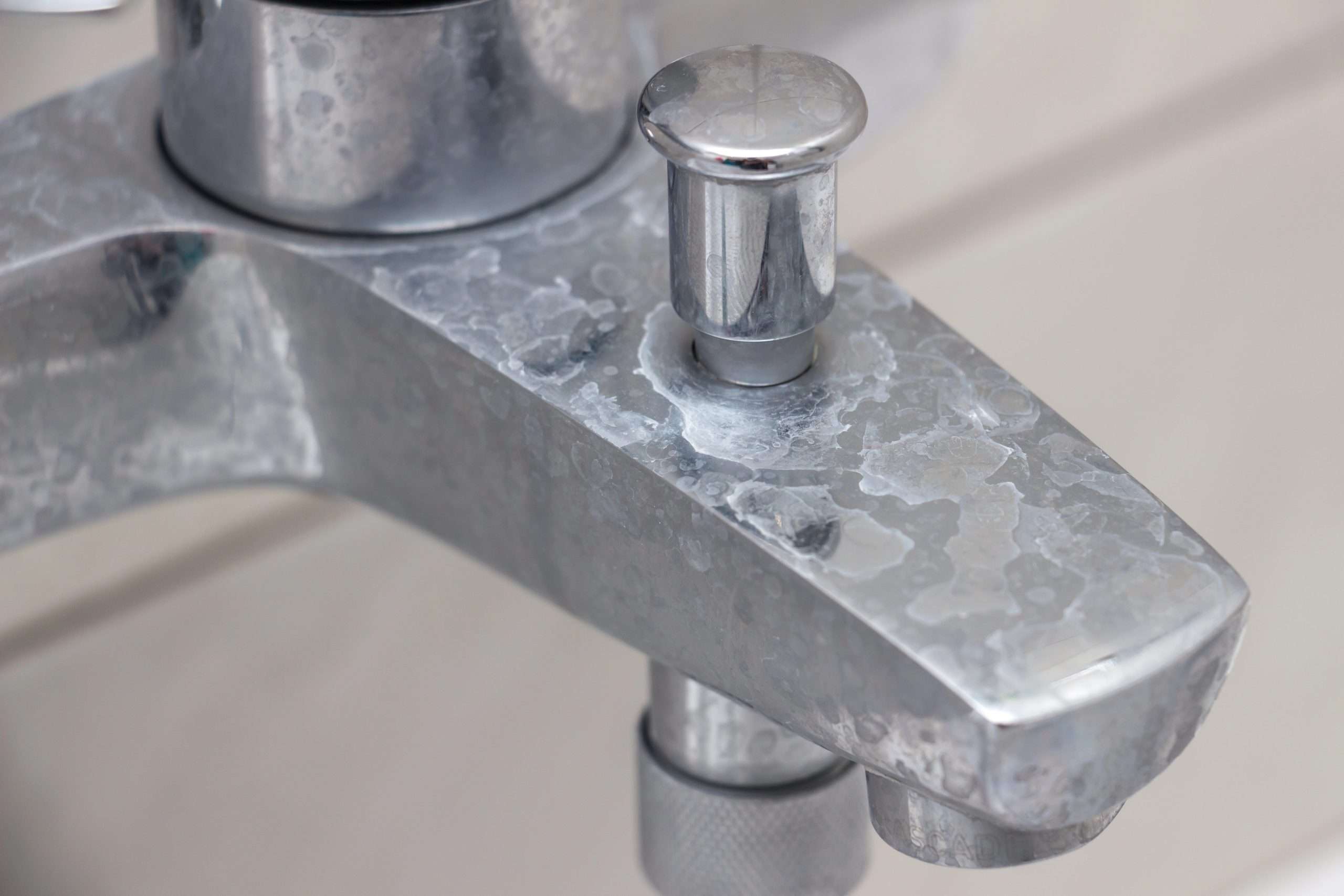
White spots on dishes. Chalky buildup on faucets. Soap that won’t foam. If those old hard-water symptoms are creeping back, your softener may not be regenerating properly or might be low on salt. When regeneration doesn’t happen, minerals slip through.
Softeners use ion exchange to swap hardness minerals for sodium (or potassium). If the brine tank is low, bridged, or crusted over, the system may not draw brine correctly. Check your salt level and look for a hardened “salt bridge.” If things still don’t improve, a technician can check the valve, resin bed, and settings—sometimes the problem is deeper than it looks.
If you’re not sure whether it’s tough water again, this guide on how to tell if you have hard water can help you confirm it before you start replacing parts. A professional test can also check for hardness, iron, and other factors that affect performance.
Sign 2 – Rusty Tint or Red Stains
Reddish stains in toilets or sinks—or water that looks rusty—often points to iron in water, not just hardness. Many standard softeners can handle only small amounts of dissolved iron. Higher levels usually need dedicated filtration.
Iron shows up in different forms, and the treatment depends on which type you have. If iron is the culprit, systems built for effective iron removal strategies for well water typically work better than a softener alone.
The smartest next step is water testing. Once you know whether it’s iron, manganese, or something else, a pro can recommend the right fix—an iron filter, sediment filter, or a revised softener setup.
Fascinating Facts About Water Softeners and Home Water Quality
A few quick insights can make troubleshooting and maintenance much easier. Here are key things every homeowner should know.
- Hard water is loaded with calcium and magnesium, which can build up in pipes and appliances and drive up energy use. Here’s the real cost of hard water in your home.
- Iron isn’t usually a health concern, but it can stain fixtures and laundry. Filters designed for iron removal from well water can help.
- A “rotten egg” smell often points to sulfur bacteria or hydrogen sulfide gas. Solutions for odor reduction can restore water freshness.
- Softeners reduce hardness minerals, while reverse osmosis systems focus on improving drinking water clarity and taste.
- Dry or itchy skin can be tied to mineral-heavy water. Learn more about skin discomfort and water quality.
- Regular professional water testing helps you spot changes in hardness, iron, or TDS before they turn into bigger problems.
- Many rural households rely on custom water solutions because water chemistry varies so much from one property to another.
Sign 3 – Water Smells Off or Feels “Thick”
If your water smells unpleasant or feels unusually heavy, don’t assume the softener is the only issue. A “rotten egg” odor often points to sulfur bacteria or hydrogen sulfide gas. A softener isn’t designed to remove odor-causing contaminants, so even a functioning unit may not resolve odor issues.
If you’re dealing with musty, metallic, or sulfur odors, you may need extra filtration or a multi-stage setup. This article on causes and solutions for foul-smelling water can help you narrow down what’s going on.
As for “thick” or overly slippery water, that can happen when the softening process is out of balance—sometimes from incomplete regeneration or system settings that need adjustment. A quick inspection can confirm whether the resin bed, brine draw, or control valve needs attention.
Sign 4 – Itchy Skin and Dull Hair
If showers leave you itchy and your hair feels dull or heavy, hardness minerals may be sneaking back in. Hard water residue can make soap harder to rinse off, and it often shows up alongside soap scum on shower doors and fixtures.
This doesn’t create a health risk, but it can make daily routines frustrating. If you want the “why” behind it, this guide on untreated hard water and skin discomfort explains how mineral buildup affects comfort.
If you’ve already checked salt and restarted the unit but symptoms continue, it’s time to have the system tested. Resin exhaustion, iron fouling, and worn valves are all common culprits.
Sign 5 – Your Softener Uses Too Much (or No) Salt
Salt usage tells you a lot. If your softener suddenly burns through salt, or the level never seems to change, something may be off—like a salt bridge, clogged brine line, stuck float, or a valve that isn’t cycling correctly.
Check the brine tank for crusting or a hardened layer. If salt levels don’t change for weeks, the system may not be drawing brine. At that point, a service visit usually saves time (and prevents further wear).
Many homeowners rely on professional water system services to inspect valves, clean tanks, and confirm regeneration is working the way it should. Routine checkups can keep your system efficient and extend its lifespan.
Repair or Replace? Let a Pro Help You Decide
A softener that’s acting up isn’t always “done.” Plenty of issues are fixable with a tune-up or a part replacement. But if your system is 10+ years old, has repeated problems, or no longer fits your household’s water use, upgrading may be the better long-term move.
The best choice depends on age, maintenance history, and what your water looks like today. Water quality can change over time, and no two homes have the same needs. A professional evaluation can confirm whether you’re dealing with hardness, iron, or other concerns—and whether your current unit is sized and configured correctly.
Working with a team that builds customized water treatment solutions helps ensure your next system actually matches your home. With the right setup, you’ll get consistent soft water with less salt, less hassle, and fewer surprise maintenance issues.
Frequently Asked Questions About Water Softener Issues
How often should my water softener regenerate?
If your unit isn’t regenerating correctly, hard water minerals can return and start leaving spots and buildup again. If symptoms persist after basic checks, a technician can determine whether the programming or internal components require adjustment.
Is it normal for soft water to still have a slight mineral taste?
Many homeowners add reverse osmosis units for drinking water to improve clarity and taste further. If taste changes fast, testing is the easiest way to find out why.
Does switching to a salt-free conditioner help if my water softener isn’t working?
If you’re unsure, start with custom water treatment solutions based on testing so you don’t end up with the wrong tool for your water.
Can I test my water on my own before calling a professional?
To get clear answers quickly, consider booking a local water test. Results can confirm whether you need a simple softener adjustment, resin replacement, or added filtration.
How long should a water softener last with proper care?
If your unit starts regenerating oddly, using too much salt, or failing to hold soft water, a tech can help you decide whether repair or replacement makes the most sense for your home’s water and usage.
What if my softener seems to stop working after a power outage?
If it still doesn’t regenerate within a few days, a professional can confirm programming and check for any mechanical issues.
Can a water softener affect my reverse osmosis system?
If your softener stops working, RO filters may clog faster, which can reduce flow and increase maintenance.
Clear Signs, Clear Solutions — Don’t Ignore What Your Water Is Telling You
If your water softener isn’t working, your home usually tells you fast—spots on dishes, stiff laundry, dry skin, and scale buildup. Sometimes the issue is simple, like a salt bridge. Other times, it’s iron, sulfur, or an aging unit that can’t keep up anymore.
Because every home’s water is different, guessing can get expensive. A quick test can confirm whether you’re dealing with hardness, iron, odor issues, or higher TDS in water. From there, the right fix might be a repair, an adjustment, or adding a filter that supports your softener.
You don’t have to troubleshoot alone. Scheduling a free water test is an easy first step, and a technician can recommend the most practical, cost-effective path forward.
Get Back to Better Water
When your softener works the way it should, everything feels easier—cleaner dishes, softer towels, and showers that don’t leave you feeling dried out. If you’ve noticed any of the warning signs above, it’s worth getting your system checked before small problems become bigger ones.
To set up a test or schedule a checkup, visit Infinite Water’s contact page. With the right guidance, you can get your soft water back—and keep it that way.