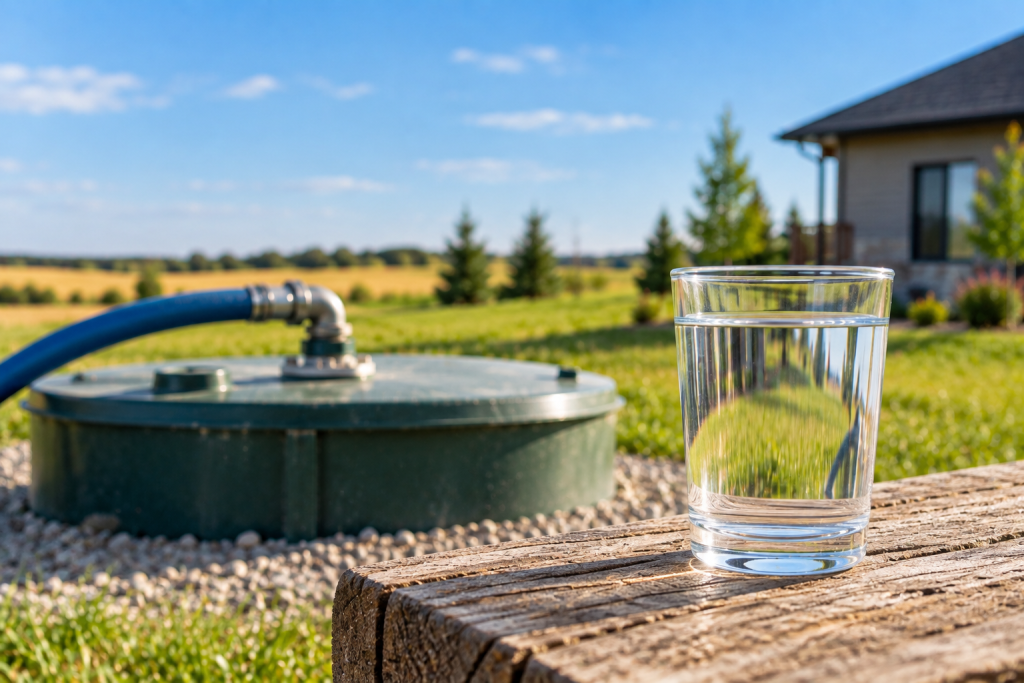
Iron and manganese removal from well water starts with accurate water testing. Depending on your water chemistry, solutions such as air injection systems, oxidation filters, greensand filtration, or other specialty treatment technologies can effectively eliminate staining, unpleasant tastes, and plumbing issues while improving overall water quality throughout your home.
If you’re dealing with rust-colored stains, black residue in sinks, metallic-tasting water, or recurring appliance issues, iron and manganese removal from well water may be necessary. These naturally occurring minerals are common in private wells throughout Saskatchewan and can create ongoing problems for homeowners, acreages, farms, and rural properties.
Although iron and manganese are frequently found in groundwater, excessive concentrations can impact water appearance, taste, plumbing performance, and household maintenance requirements. The good news is that modern treatment technologies can effectively address these challenges when properly matched to your water conditions.
For Saskatchewan homeowners, the key to long-term success is understanding what contaminants are present, how they affect your water, and which treatment approach provides the most effective solution for your specific well.
What Causes Iron and Manganese in Well Water?
Iron and manganese are naturally occurring minerals found in soil, rock formations, and groundwater throughout Saskatchewan. As water moves through underground geological formations, it can dissolve these minerals and carry them into private wells.
Many rural Saskatchewan homeowners encounter elevated mineral levels because groundwater often spends significant time underground before reaching residential wells. Agricultural regions, acreages, and rural properties frequently experience varying concentrations depending on local geology and groundwater conditions.
While these minerals occur naturally, excessive amounts can create noticeable water quality issues that affect daily life. The severity of the problem depends on mineral concentrations, water usage patterns, and other water chemistry factors.
What Are the Signs of Iron and Manganese in Well Water?
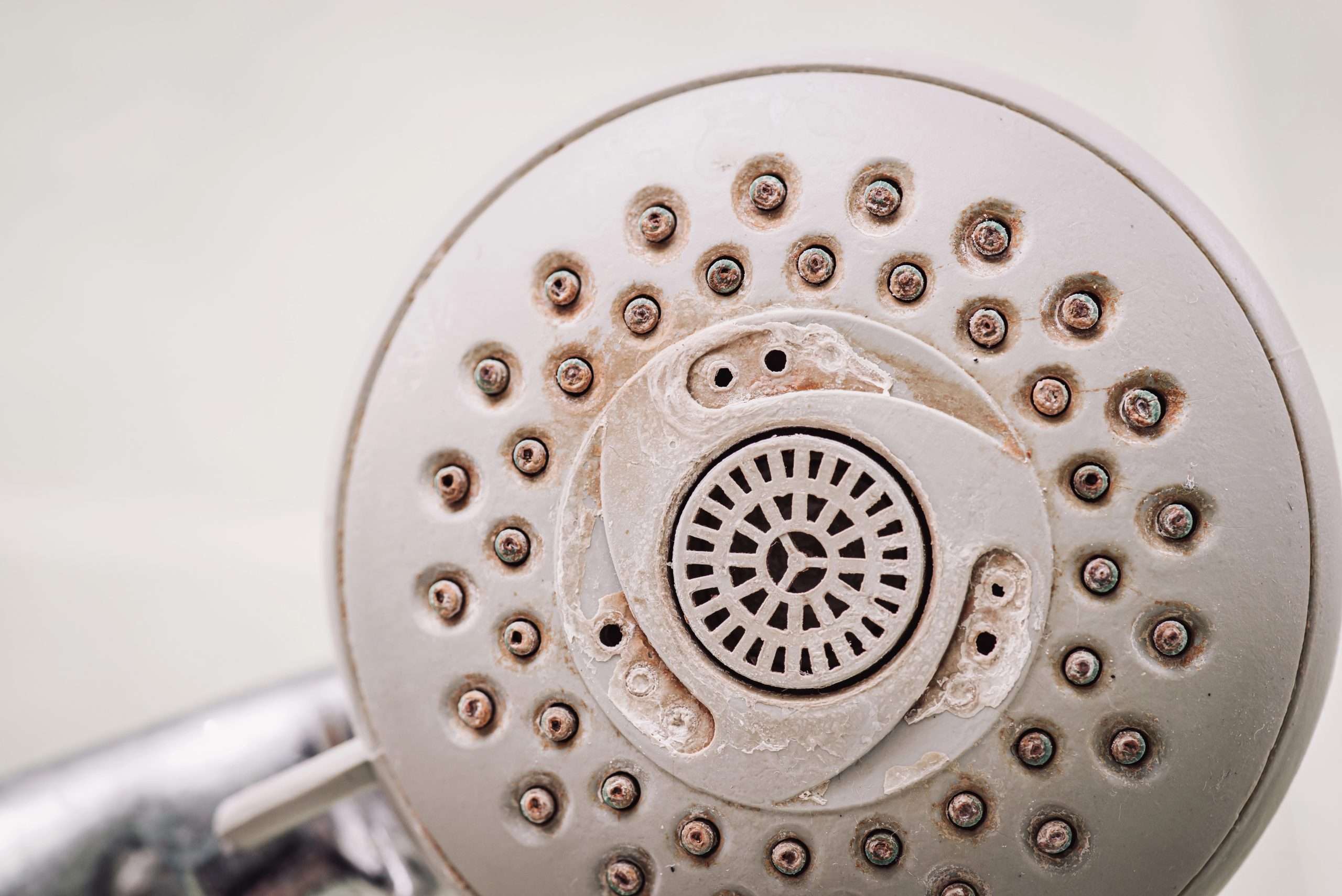
The most common indicators of iron contamination are orange, red, or brown stains that appear on sinks, tubs, toilets, and laundry. Many homeowners also notice a metallic taste in drinking water or discoloration that becomes more obvious after water sits in a glass.
Manganese contamination often produces dark gray or black staining on plumbing fixtures and appliances. Some homeowners report bitter-tasting water, while others notice buildup inside water-using equipment.
Additional warning signs may include:
- Discolored water after periods of inactivity
- Staining around drains and faucets
- Reduced water pressure from buildup inside pipes
- Laundry discoloration
- Shortened appliance lifespan
- Recurring fixture cleaning requirements
Why Are Iron and Manganese a Problem for Your Home?
Iron and manganese may not always create immediate health concerns, but they can cause significant operational and maintenance issues throughout a home.
Over time, mineral buildup can accumulate inside pipes, water heaters, fixtures, and appliances. This buildup restricts water flow, reduces efficiency, and increases wear on critical household systems.
Water heaters are particularly vulnerable because mineral deposits can reduce heat transfer efficiency, causing higher energy consumption and shortening equipment life. Dishwashers, washing machines, and other water-using appliances can also experience reduced performance when exposed to untreated mineral-rich water.
Many homeowners become frustrated by the ongoing effort required to remove stains from toilets, sinks, bathtubs, showers, and clothing. Even after cleaning, the stains often return if the underlying water quality issue remains untreated.
What Is the Best Treatment for Iron and Manganese Removal from Well Water?
The best treatment depends entirely on your water test results and overall water chemistry.
Because iron and manganese can exist in multiple forms, selecting equipment without proper testing can lead to disappointing results. Professional analysis helps determine which treatment technology will provide the most effective long-term solution.
Common treatment options include iron removal systems designed specifically to address elevated iron concentrations in well water.
Oxidation Filters
Oxidation filtration systems convert dissolved minerals into solid particles that can be removed through filtration. These systems are commonly used when elevated iron or manganese levels are present and can provide excellent long-term performance when properly matched to water conditions.
Greensand Filtration
Greensand technology is frequently used for iron and manganese treatment because it promotes oxidation and filtration in a single process. However, proper system sizing and maintenance are essential for reliable performance.
Air Injection Systems
Air injection systems introduce oxygen into the water supply, helping oxidize dissolved contaminants before filtration. These systems can be highly effective in many well water applications and often provide chemical-free treatment.
Specialty Filtration Systems
Some water conditions require advanced media or multiple treatment stages. Customized treatment solutions often provide the best results for homeowners facing complex water quality challenges. Learning about custom water treatment solutions can help homeowners understand the benefits of a tailored approach.
Are Aeration Systems Effective for Iron and Manganese Removal?
Yes, aeration systems can be highly effective when water conditions are suitable.
Aeration works by exposing water to oxygen, which triggers oxidation of dissolved iron and manganese. Once oxidized, the minerals become easier to capture and remove through filtration.
Many Saskatchewan homeowners choose aeration-based treatment because it can effectively reduce staining, improve water clarity, and minimize unpleasant tastes without relying heavily on chemical treatment.
However, aeration is not the ideal solution for every water source. Water chemistry, contaminant concentrations, pH levels, and overall treatment goals all influence whether aeration is the most appropriate technology.
Why Water Testing Should Always Come First
Water testing is the foundation of every successful well water treatment plan.
Without testing, it is impossible to accurately determine which contaminants are present, their concentrations, or which treatment technologies will perform most effectively. Water that contains iron and manganese may also include hardness minerals, sulfur compounds, sediment, tannins, or other water quality concerns.
Professional testing helps identify the complete picture so treatment recommendations address the root cause rather than simply managing symptoms.
According to Health Canada drinking water guidance, regular monitoring and water quality assessment are important components of managing private well water systems.
Many homeowners discover that a combination of technologies—including filtration, oxidation, and systems such as reverse osmosis and water softening solutions—provides the most comprehensive protection.
Local Authority: Serving Saskatchewan Well Water Owners
Private well water conditions vary significantly across Saskatchewan. Rural properties, acreages, farms, and residential wells frequently experience unique combinations of iron, manganese, hardness, sulfur, sediment, and other naturally occurring contaminants.
Infinite Water works with homeowners throughout Saskatchewan to identify water quality concerns and recommend customized treatment solutions based on actual water test results. Rather than applying a one-size-fits-all approach, every recommendation is designed around the specific needs of the property, water source, and household water usage patterns.
Can one system remove both iron and manganese?
Is manganese in well water a concern?
How often should iron and manganese treatment systems be serviced?
Will removing iron and manganese improve appliance performance?
Protecting Your Water Quality for the Long Term
Iron and manganese contamination can affect nearly every aspect of your home’s water system, from staining and unpleasant tastes to appliance wear and increased maintenance requirements. Fortunately, modern treatment technologies offer effective solutions when selected based on accurate water testing and professional guidance.
Whether you’re dealing with rust-colored stains, black residue, metallic tastes, or recurring plumbing issues, addressing the problem early can help protect your water quality, improve daily comfort, and reduce long-term costs. By identifying the source of contamination and selecting the right treatment system, Saskatchewan homeowners can enjoy cleaner, clearer, and more reliable well water for years to come.