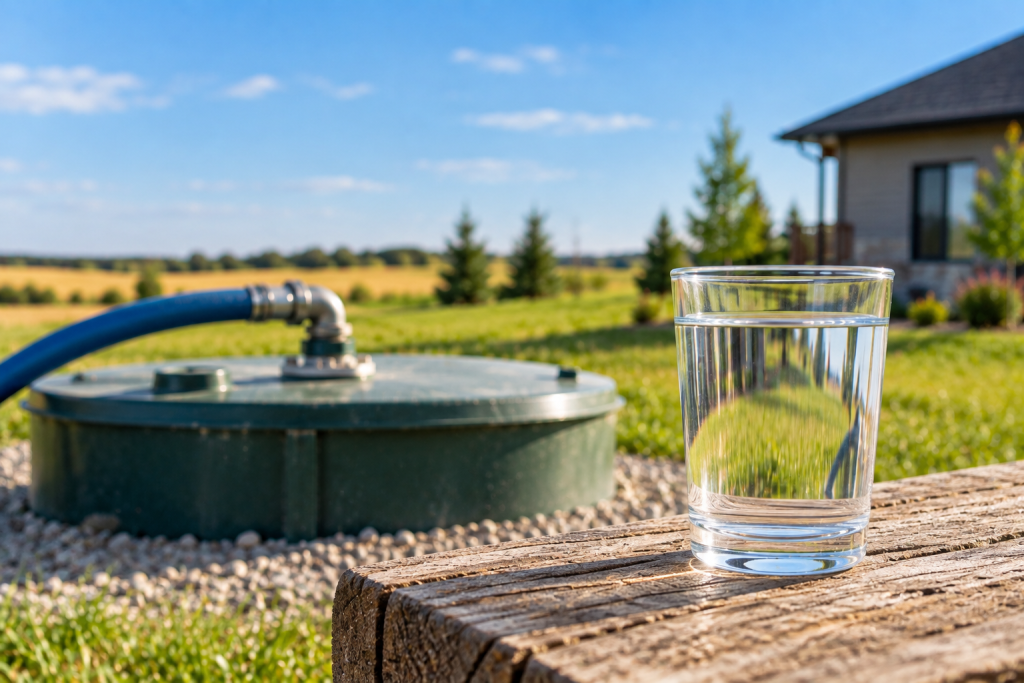

A boil water advisory in Saskatchewan means drinking water may contain harmful contaminants or pathogens and should be treated before use. Understanding emergency water safety practices and investing in reliable water treatment systems can help rural homeowners better protect their households during water emergencies.
Boil water advisory Saskatchewan notices can significantly impact daily life for rural homeowners and communities. Whether caused by infrastructure failures, contamination concerns, severe weather, or well water issues, these advisories require immediate action to protect drinking water safety.
Many rural Saskatchewan residents rely on private wells or small local water systems that may face additional challenges during emergencies. Understanding what boil water advisories mean and how to respond properly helps reduce health risks while maintaining safer access to drinking water.
Learning proactive emergency water safety strategies can also help homeowners better prepare for future advisories and unexpected water quality issues.
What Causes a Boil Water Advisory?
Boil water advisories are issued when drinking water may contain harmful contaminants or pathogens.
These advisories can occur after water main breaks, flooding, equipment failures, pressure loss, or contamination concerns affecting water systems. In rural Saskatchewan, private wells and smaller community systems may face additional challenges because of aging infrastructure, agricultural runoff, or weather-related disruptions.
According to Saskatchewan Health Authority guidance, residents should follow all local advisory instructions carefully to reduce the risk of waterborne illness.
Why Rural Saskatchewan Faces Unique Water Challenges
Rural Saskatchewan communities often face additional water safety challenges because of geographic distance, harsh weather conditions, and reliance on private water systems.
Many rural homes depend on groundwater wells that may be more vulnerable to contamination during flooding, spring runoff, or equipment failures. Winter weather conditions and remote infrastructure can also make emergency repairs more difficult and time-consuming.
Preparing for emergencies before an advisory occurs can help households respond more effectively when water safety issues arise.
Many homeowners explore resources like custom water solutions for Saskatchewan homes to better understand long-term treatment options for rural water systems.
- Boil water before drinking or cooking
- Store emergency bottled water supplies
- Sanitize reusable water containers
- Avoid using untreated ice
- Follow all local health notices
- Keep emergency disinfection supplies available
How Should You Safely Use Water During an Advisory?
Water should be boiled at a rolling boil for at least one minute before being used for drinking or food preparation.
Boiling water helps kill harmful bacteria, viruses, and pathogens that may be present during an advisory. Residents should allow boiled water to cool before storing it in clean, sanitized containers.
During extended advisories, bottled water may also be used as a temporary alternative for drinking and cooking purposes.
Homeowners preparing for emergency situations often review resources about water treatment systems and emergency preparedness to improve long-term household water reliability.
- Boiled water for cooking
- Bottled water for drinking
- Disinfected water for brushing teeth
- Sanitized water containers
- Properly treated emergency water supplies
How Can You Disinfect Water During an Emergency?
Alternative disinfection methods may help when boiling water is not immediately possible.
Unscented household bleach can sometimes be used for emergency disinfection when added carefully in approved amounts. Portable filtration systems and emergency purification products may also provide temporary assistance during short-term emergencies.
However, not all filtration systems are designed to handle biological contamination during emergency situations. Professional guidance helps ensure homeowners use the appropriate treatment methods for their specific water conditions.
Many Saskatchewan homeowners use educational resources like the Infinite Water blog to learn more about emergency water treatment strategies and ongoing water quality concerns.
How Can Water Treatment Systems Help Prevent Future Problems?
Reliable water treatment systems can help improve overall water quality and reduce long-term contamination concerns.
Whole-home treatment systems, reverse osmosis technology, and ongoing water testing may help identify water quality issues before they become larger household concerns. Routine maintenance also plays a major role in ensuring water systems continue operating effectively throughout the year.
Rural homeowners who proactively monitor water quality often gain greater confidence in their long-term drinking water safety.
Resources like understanding different water treatment approaches can help homeowners evaluate solutions designed for rural Saskatchewan water conditions.
Local Water Quality Considerations in Saskatchewan
Saskatchewan’s rural water systems face unique environmental and infrastructure challenges that can affect long-term water safety.
Agricultural activity, groundwater mineral conditions, seasonal flooding, aging infrastructure, and remote locations may all influence water quality throughout different parts of the province.
Because every household’s water conditions differ, professional testing and customized treatment strategies remain important parts of maintaining reliable drinking water safety.
Boil Water Advisory FAQs
What causes a boil water advisory?
How long should water boil during an advisory?
Can bottled water be used instead?
What contaminants commonly cause advisories?
How can homeowners prepare for future advisories?
Prepare Today for Safer Water Tomorrow
Boil water advisories in Saskatchewan serve as important reminders that water safety requires ongoing preparation and awareness. Understanding emergency water procedures and maintaining reliable treatment systems can help households respond more confidently during unexpected situations.
Rural homeowners who proactively monitor water quality and prepare emergency response plans are often better equipped to handle future water safety concerns.
If you want to improve your household water reliability and emergency preparedness, now is the perfect time to explore professional water treatment solutions designed for rural Saskatchewan homes.