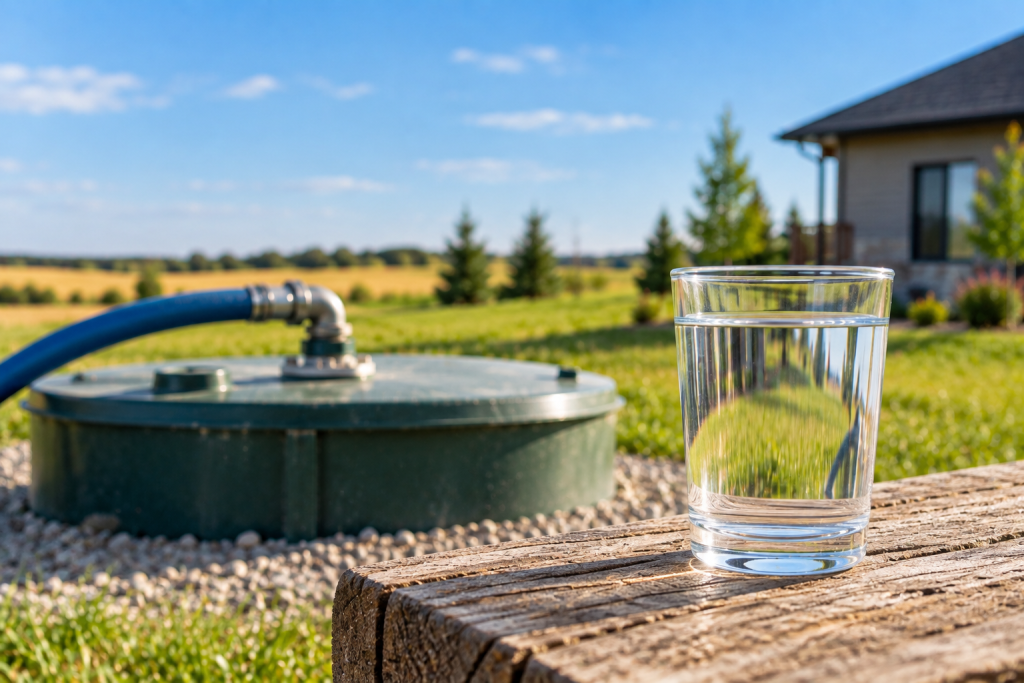
Total Dissolved Solids (TDS) measure the amount of dissolved minerals, salts, and other substances in water. These dissolved materials influence taste, appliance performance, and cleaning efficiency rather than safety. Because Saskatchewan water sources vary widely—from municipal systems to wells and dugouts—the best way to understand your water is through professional testing that identifies both TDS levels and the substances contributing to them.
What is TDS in water? The term refers to the combined concentration of minerals, salts, and dissolved substances found in water. Every natural water source contains some dissolved material because water absorbs elements as it travels through soil, rock, and infrastructure before reaching your tap.
These dissolved substances can include minerals such as calcium, magnesium, sodium, and potassium, as well as trace metals and salts. According to Health Canada’s drinking water guidelines, TDS is used as an indicator of water quality characteristics like taste and mineral concentration rather than a direct safety measurement.
For homeowners across Saskatchewan, understanding TDS helps explain why water behaves the way it does in daily life. Mineral content can affect appliance scaling, soap performance, and drinking water taste, which makes TDS an important part of evaluating your overall water quality.
What Does TDS Measure in Water?
Total Dissolved Solids represent everything dissolved in water that is small enough to pass through a filtration membrane or remain suspended in solution. This includes naturally occurring minerals, salts, metals, and other trace substances.
Common components of TDS include calcium, magnesium, sodium, chloride, potassium, bicarbonate, and sulfate. While some of these minerals occur naturally in groundwater, others may come from municipal treatment processes or environmental sources.
TDS is typically estimated using electrical conductivity measurements. Because dissolved substances carry electrical charges, water with higher mineral content conducts electricity more easily. This allows testing equipment to estimate the concentration of dissolved solids present.
Water professionals often interpret TDS readings using general ranges:
- 0–150 ppm: Low mineral content
- 150–500 ppm: Moderate mineral content
- 500–1000 ppm: High mineral content
- 1000+ ppm: Very high mineral concentration
These ranges help explain how mineral levels may influence taste, scaling, or appliance performance.
How TDS in Water Affects Taste, Appliances, and Cleaning
Dissolved minerals influence several everyday household experiences. Higher mineral concentrations may change how water tastes, interacts with soap, or forms scale on appliances.
In kitchens, mineral-rich water may influence coffee brewing or tea preparation. Some people prefer moderate mineral content because it can add subtle flavor or improve beverage extraction.
In plumbing systems, minerals such as calcium and magnesium can contribute to scale buildup on fixtures and inside appliances. Over time, these deposits may reduce heating efficiency in water heaters and leave spots on glassware or dishes.
When water with higher mineral concentrations is heated or evaporates, dissolved minerals may settle onto surfaces. This scale buildup can affect appliance efficiency and increase cleaning or maintenance needs around the home.
Hardness vs TDS: Understanding the Difference
Water hardness is often confused with total dissolved solids, but the two measurements describe different aspects of water composition.
Hardness refers specifically to calcium and magnesium concentrations, while TDS includes all dissolved materials in water. This means hardness is only one component of the total dissolved solids measurement.
Homes experiencing scaling or soap performance issues may be dealing with hardness minerals rather than overall TDS levels. Learning more about hard water helps homeowners understand how calcium and magnesium influence household maintenance and cleaning efficiency.
Is High TDS in Water Dangerous?
TDS levels alone do not determine whether water is safe to drink. Instead, TDS acts as an indicator that helps describe how much material is dissolved in water.
Some minerals that contribute to TDS—such as calcium and magnesium—occur naturally and are not harmful at typical levels. However, high readings may signal that additional testing is necessary to determine what substances are present.
This is why testing remains the most important step when evaluating water quality. A professional water test identifies the specific substances contributing to your TDS level so treatment decisions can be based on accurate information.
Testing your water annually helps track changes in mineral levels and ensures your treatment equipment continues operating effectively as water conditions shift over time.
TDS Treatment Options: Reverse Osmosis and Water Softeners
Different water treatment technologies address TDS in different ways depending on the substances present and the goals of the homeowner.
Water softeners target hardness minerals like calcium and magnesium through ion exchange. This process helps reduce scale buildup and improve soap performance but may not significantly lower overall TDS levels.
Reverse osmosis systems operate differently. They push water through a semi-permeable membrane that removes many dissolved solids. Because of this capability, reverse osmosis systems are commonly used to reduce TDS for drinking water.
Many homes combine these technologies. A softener may treat hardness for the entire home, while a reverse osmosis unit installed under the kitchen sink improves taste and reduces dissolved solids in drinking water.
Local Water Quality Across Saskatchewan
Water quality varies widely across Saskatchewan due to the province’s diverse geology and water sources. Municipal supplies in cities such as Saskatoon, Regina, and Prince Albert may contain different mineral concentrations than rural wells or dugout sources.
Rural acreage homes often encounter higher mineral levels due to groundwater conditions, while municipal systems may contain minerals influenced by treatment processes or distribution systems.
Because every water source is unique, testing provides the most reliable way to understand local conditions and determine whether treatment is beneficial for your home.
Frequently Asked Questions About TDS
What is TDS in water?
What is a normal TDS level for drinking water?
Does TDS affect water taste?
Can TDS damage appliances?
Understanding Your Water Starts With Testing
Total dissolved solids provide a helpful snapshot of what is present in your water, but the number alone does not tell the whole story. Minerals that contribute to TDS may influence taste, scaling, and appliance efficiency without necessarily indicating contamination.
The most reliable way to understand your water is through professional testing that identifies both the TDS level and the substances responsible for it. With accurate results, homeowners can choose treatment solutions that match their specific goals—whether improving taste, reducing scale, or protecting household systems.