
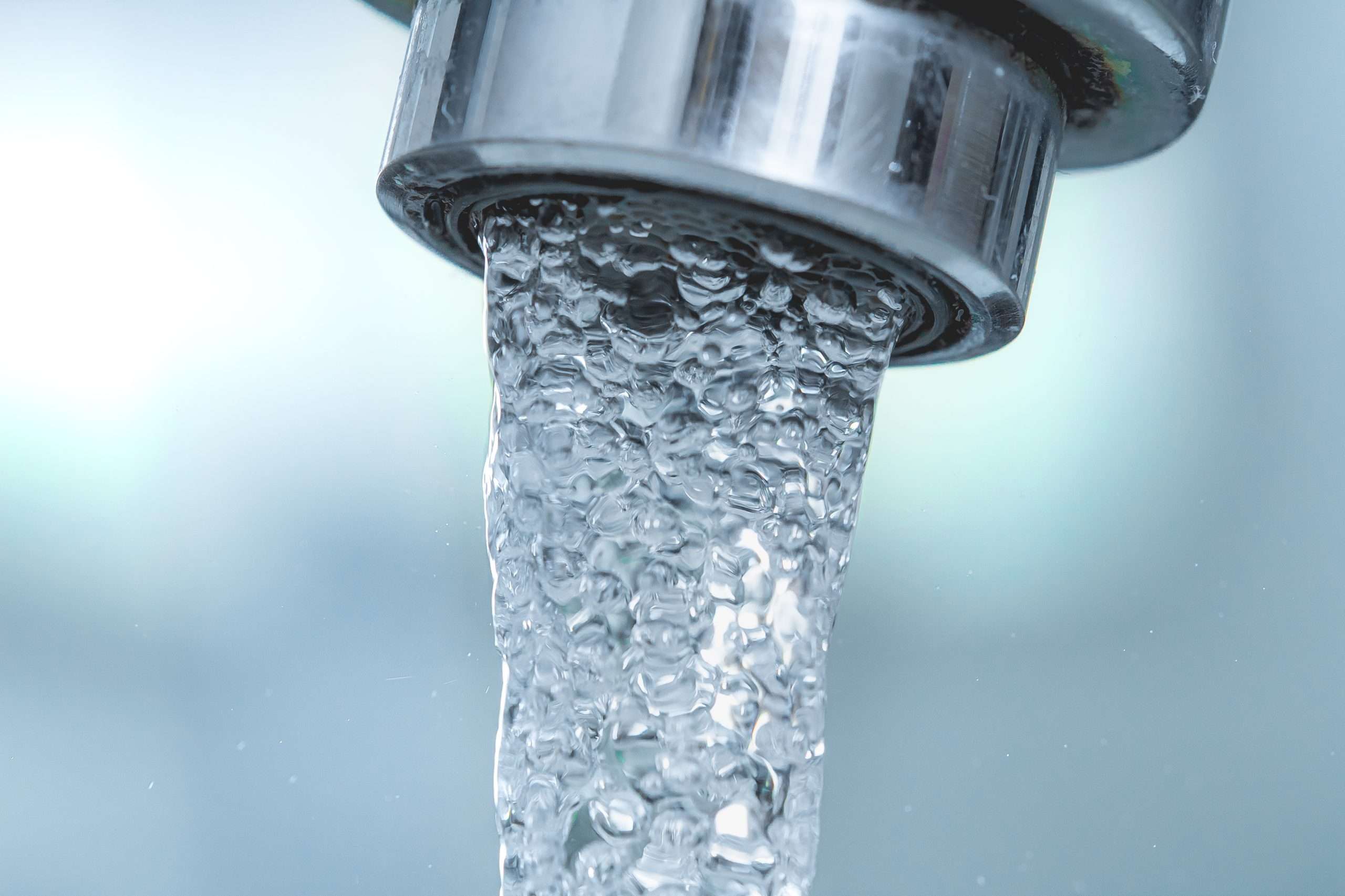
Saskatchewan’s hard water and harsh winters can place additional strain on water softeners. Regular maintenance, proper salt management, resin care, freeze protection, and routine inspections can help maximize system efficiency, extend equipment lifespan, and reduce costly repairs.
Why Water Softener Maintenance Matters
Saskatchewan homeowners face some of the hardest water conditions in Canada. Hard water contains elevated levels of calcium and magnesium that can create scale buildup inside plumbing systems, water heaters, fixtures, and appliances.
A properly maintained water softener helps protect your home’s plumbing and improves overall water quality. Without routine maintenance, even a high-quality system can lose efficiency, consume excess salt, and struggle to keep up with household demands.
Regular water system maintenance services help ensure your equipment continues operating effectively while protecting your investment for years to come.
Staying proactive with maintenance not only improves performance but can also reduce long-term operating costs and prevent unexpected breakdowns.
Salt Management Best Practices
Salt plays a critical role in the regeneration process that allows a water softener to continue removing hardness minerals from your water supply. Improper salt management is one of the most common causes of reduced system performance.
Homeowners should inspect salt levels regularly and keep the brine tank at least one-quarter to one-half full, depending on household water usage and hardness levels.
It’s also important to watch for salt bridging, which occurs when a hard crust forms above the water level in the brine tank. This prevents salt from dissolving properly and can interfere with regeneration cycles.
Understanding how hard water affects your home and budget can help highlight the importance of proper salt management and ongoing maintenance.
Resin Care and System Performance
The resin bed is the heart of your water softener. As hard water passes through the system, the resin captures hardness minerals and exchanges them for sodium or potassium ions.
Over time, the resin can become fouled by iron, manganese, sediment, and other contaminants. When this occurs, water softening efficiency may decline and homeowners may begin noticing hard water symptoms returning.
Common signs of resin issues include:
- Water spots on dishes and fixtures
- Soap not lathering properly
- Scale buildup reappearing
- Reduced softening performance
- Stiff or scratchy laundry
Routine cleaning and periodic professional inspections can help keep the resin bed functioning properly and extend the overall lifespan of the system.
Key Facts About Water Softener Maintenance in Saskatchewan
- Saskatchewan’s hard water can increase wear on water softeners and household appliances.
- Salt bridging is one of the most common maintenance issues homeowners encounter.
- Routine resin cleaning helps maintain efficient water softening performance.
- Winter freeze protection is essential for exposed pipes and equipment.
- Regular inspections can identify minor issues before they become expensive repairs.
- Professional maintenance helps maximize system lifespan and performance.
Winter Protection and Freeze Prevention
Saskatchewan winters create unique challenges for water treatment equipment. Freezing temperatures can damage plumbing, fittings, valves, and other system components if proper precautions are not taken.
Homeowners should inspect areas where water treatment equipment is located and ensure vulnerable pipes are adequately insulated before winter arrives.
For systems located in garages, utility rooms, or other areas exposed to colder temperatures, additional insulation and freeze prevention measures may be necessary.
Protecting your system during winter helps avoid costly repairs while ensuring uninterrupted access to softened water throughout the season.
Troubleshooting Common Water Softener Problems
Even well-maintained systems can occasionally experience issues. Recognizing warning signs early can help prevent larger problems from developing.
Some of the most common water softener issues include:
- Salt bridging
- Salt mushing in the brine tank
- Low water pressure
- Hard water returning
- Continuous regeneration cycles
- System leaks
- Unusual operating noises
If you notice any of these symptoms, addressing the issue promptly can help minimize downtime and maintain consistent water quality throughout the home.
In many cases, a professional evaluation can quickly identify the root cause and recommend the appropriate corrective action.
Why Professional Service Matters
While homeowners can perform many routine maintenance tasks, professional service provides additional benefits that help ensure long-term system reliability.
Experienced technicians can inspect critical components, verify proper regeneration settings, evaluate resin condition, and identify hidden issues before they lead to system failure.
Professional maintenance is particularly valuable in Saskatchewan, where hard water conditions and extreme seasonal temperatures place additional demands on water treatment equipment.
Frequently Asked Questions About Water Softener Care
How often should I add salt to my water softener?
What causes salt bridges in a water softener?
How often should a water softener be serviced?
How can I protect my water softener during Saskatchewan winters?
What are signs my water softener may be failing?
Protecting Your Investment for the Long Term
Your water softener works continuously to protect your plumbing, appliances, and household water quality. Regular maintenance helps ensure that investment continues delivering value year after year.
By staying proactive with salt management, resin care, winter protection, and routine inspections, homeowners can reduce repair costs while maximizing system efficiency.
Even simple maintenance habits can significantly improve performance and help avoid many of the most common water softener problems experienced throughout Saskatchewan.
Schedule Professional Water Softener Maintenance
If your water softener has not been inspected recently, now may be the ideal time to schedule a professional evaluation.
Expert maintenance services can identify performance issues, optimize system settings, and ensure your equipment is prepared to handle Saskatchewan’s challenging water conditions throughout the year.
Schedule professional water softener maintenance today and keep your system operating at peak performance.