
At Infinite-Water we understand that water is essential to our daily lives, from the water we drink and cook with to the water we use for bathing and cleaning. Ensuring that this water is clean is crucial for maintaining good health and a safe home environment. One effective method of achieving cleaner water is reverse osmosis (RO) filtration, which reduces impurities and provides high-quality water. While many are familiar with under-the-sink RO systems, a whole-home or whole-house reverse osmosis system takes water purification to the next level, offering comprehensive filtration for every place water is used in your home. It can even be adapted to treat the water you use outside the home. In this article, we will explore what whole-home reverse osmosis is, how it compares to traditional under-the-sink systems, and the benefits it can bring to your home.
Understanding Reverse Osmosis (RO)
Reverse Osmosis is a highly effective water filtration process that removes contaminants by using a high-pressure pump to force water through a semi-permeable membrane. This membrane has tiny pores that allow only water molecules to pass through while blocking larger impurities like sodium, high levels of lead, bacteria, dissolved minerals, fluoride, and other contaminants. The process begins with pre-filtration which uses a sediment filter to remove larger particles, followed by the application of pressure to push water through the membrane. The filtered water, known as permeate, is collected on the other side, while the contaminants are flushed away as wastewater.
After passing through the reverse osmosis membrane, the filtered water often undergoes post-filtration using activated carbon filters to remove any remaining tastes or odors, ensuring it is clean and palatable. Carbon filtration alone can not filter out particles as small as the entire RO system. Using this multi-stage filtration process ensures that the water is thoroughly filtered. The result is high-quality water that is safer and healthier for drinking and other household uses and brings with it added peace of mind. Many homeowners also choose to add a remineralizing filter at the end of their system to reintroduce vital minerals to their RO water.
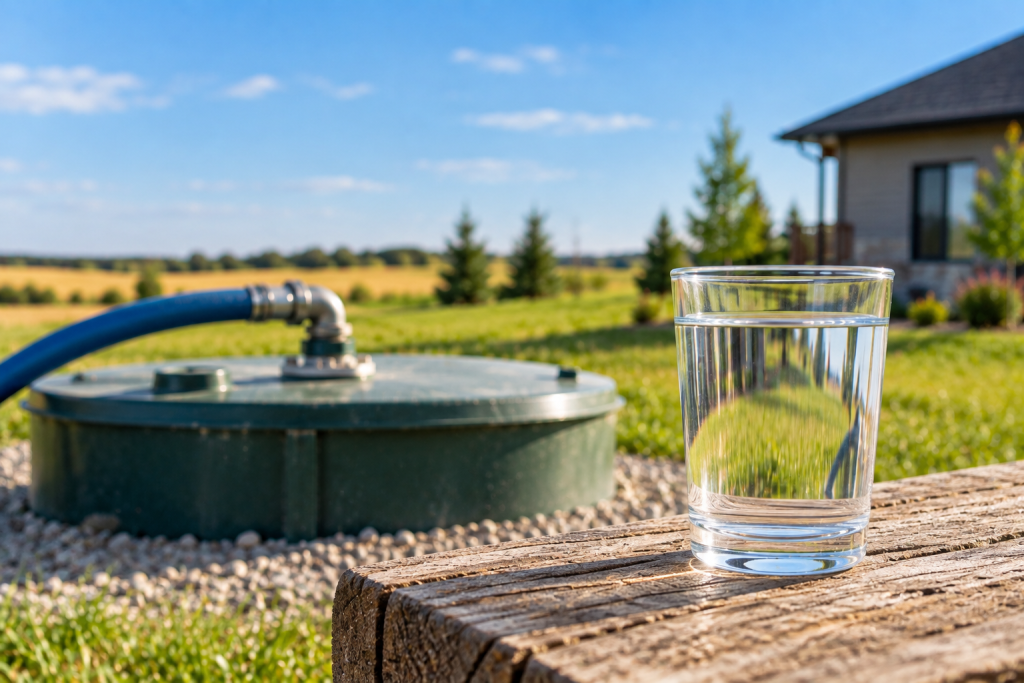
Water is collected in a storage tank large enough for a 1 day supply of water.
Why Reverse Osmosis?
RO technology is widely used due to its ability to effectively filter water by drastically reducing a broad spectrum of contaminants. Reverse osmosis is very popular in Saskatchewan, both for household and agricultural use (spraying or livestock.
RO is also essential for maintaining the quality of water in aquariums, hydroponic systems, and irrigation. Additionally, an RO system can be used in desalination to provide potable water from seawater and in whole-home filtration systems to deliver filtered water for all household uses.
According to the WQA (Water Quality Association), the main advantage of using an RO system is the fact that it is capable of removing harmful contaminants to our bodies such as bacteria, viruses, soluble organic compounds such as pesticides and herbicides, and heavy metals such as arsenic, barium, cadmium, chromium, copper, lead, fluoride, and nitrate among others.
Under-the-Sink RO Filtration
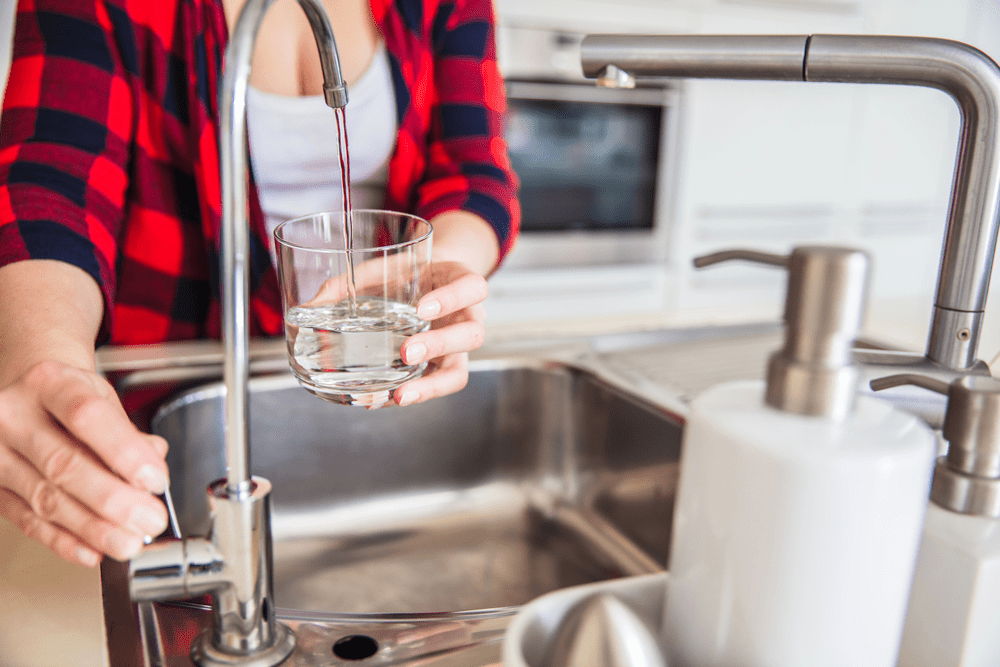
Under-the-sink reverse osmosis filtration systems are compact units designed to purify drinking water directly at the point of use. These systems are typically installed under a kitchen sink and provide filtered water to a single dedicated faucet, ensuring contaminants are reduced in the water you use for drinking and cooking.
Installation involves placing the unit under the kitchen sink and connecting it to the cold water line. A dedicated faucet is then installed on the sink or countertop, delivering freshly filtered water directly from the RO system. This setup is convenient, easy to use, and provides high-quality water for daily use.
Whole Home RO System
Whole-Home Reverse Osmosis is a water purification technology. It can purify virtually any type of water. It is so effective it can actually purify seawater into potable drinking water! This method is becoming popular in Saskatchewan because we have brackish well water, or even for larger volumes for agricultural applications such as spraying.
Installing a whole-house reverse osmosis system typically requires a professional setup due to its complexity and the need for precise configuration. The installation involves connecting the system to the main water supply line and integrating multiple components. Having the system installed by a professional like Infinite-Water ensures that the system operates efficiently and effectively, delivering cleaner water to your entire home and farm.

Advantages of Whole Home RO vs. Under-the-Sink RO
Whole-house reverse osmosis systems provide extensive filtration for all household water, unlike under-the-sink RO systems that only filter water at a specific faucet. This means that every drop of water used for drinking, cooking, bathing, or cleaning is purified with a whole-house system. As a result, there is a significant reduction in exposure to contaminants throughout the entire house. Every tap delivers the same high-quality, filtered water, providing peace of mind and consistent water for all uses. This includes not just drinking water but also water used for showers, laundry, and other household tasks, contributing to overall better health and safety.
A whole home RO system offers the convenience of a single, centralized filtration system for the entire house, eliminating the need for multiple under-the-sink units in different locations. This simplifies maintenance and ensures all water is consistently filtered.
While a whole-house reverse osmosis system has a higher upfront cost compared to individual under-the-sink systems, it can offer long-term savings. Maintenance at a central point versus maintenance on multiple units around the home can reduce overall costs over time.
Is Whole Home Reverse Osmosis Right For You?
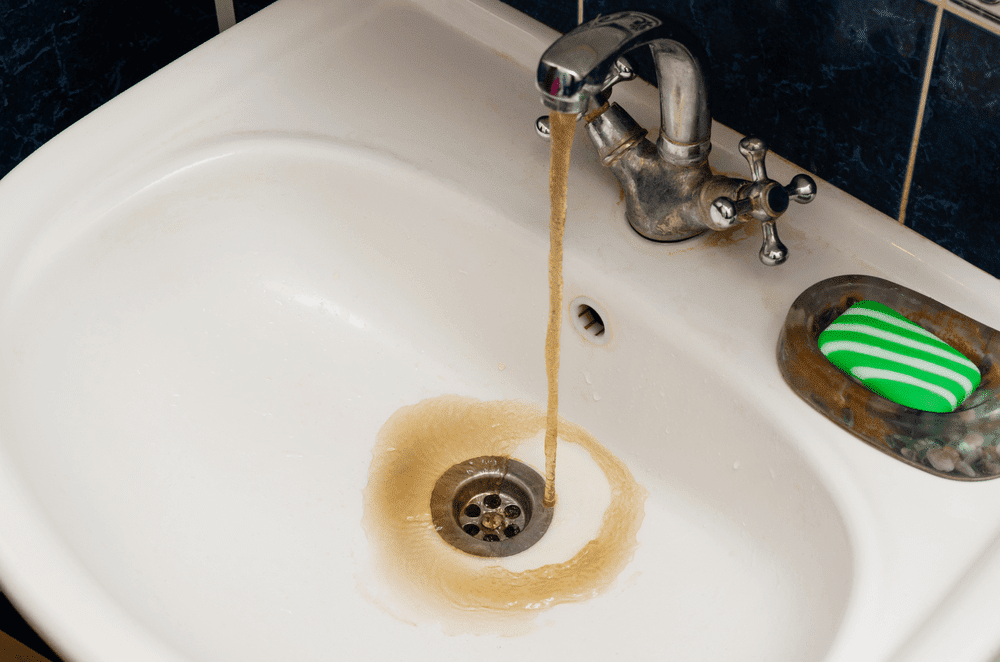
When considering water treatment options, conventional methods like water softeners or single-tap reverse osmosis systems often provide satisfactory results. However, many clients find that a whole-home RO system meets their needs more comprehensively. Some require WHRO due to specific or complex water conditions, while others prefer it for superior water quality and convenience.
Some homeowners may require whole-house reverse osmosis due to specific or complex water conditions or concerns. Whole home RO can help those with high salinity levels, extreme hardness, elevated levels of contaminants such as sulfates or other dissolved solids, or those that have water with the presence of tannins.
Households with health concerns or immune-compromised individuals also find reassurance in the whole-house reverse osmosis system’s ability to drastically reduce a wide variety of contaminants, including bacteria and viruses. Those with agricultural and livestock operations relying on water for crop spraying or animal watering can also benefit from the system’s reduction of contaminants that could impact plant or animal health. Beyond necessity, there are several reasons you might choose a whole-house reverse osmosis system over single point-of-use systems. If you prefer not to haul salt bags for traditional water softeners, having high-quality water is non-negotiable regardless of cost, or you desire spot-free rinse water for outdoor uses like light irrigation or washing vehicles, a whole-house reverse osmosis system is a great option. It’s also an effective solution if you simply want the peace of mind of knowing that your water treatment system can adapt to the ever-changing conditions of your local water supply.
When Isn’t Whole House Reverse Osmosis Suitable?
Whole-house reverse osmosis may not be suitable if septic pump-out costs are a concern for you. It is also not ideal if you face water scarcity issues, such as a dry dugout or low-replenishing well. Another limitation is space, some homeowners simply do not have adequate space to accommodate a whole-house reverse osmosis system. Each of these things should be carefully considered to determine if a whole-home reverse osmosis system is the right choice for your specific needs and circumstances
The First Step is Reaching Out to A Professional
Whether you opt for a whole-home reverse osmosis system or a traditional drinking water RO setup, it’s crucial to consult with a professional to ensure you’re making the right choice for your specific water needs. Water quality can vary significantly from one location to another, and factors such as contaminants, water hardness and total dissolved solids, household size, and usage patterns all play a role in determining the most effective solution. That’s why it’s essential to contact a professional like Infinite-Water for a free water test and expert advice on which option is best suited for you.
Our team of experienced professionals can assess your water quality, discuss your concerns and preferences, and recommend the most suitable system to meet your needs and your budget. Don’t compromise on the quality of your household water—take the first step towards cleaner, safer water by giving us a call at (306) 382-2782 or reaching out to us here.